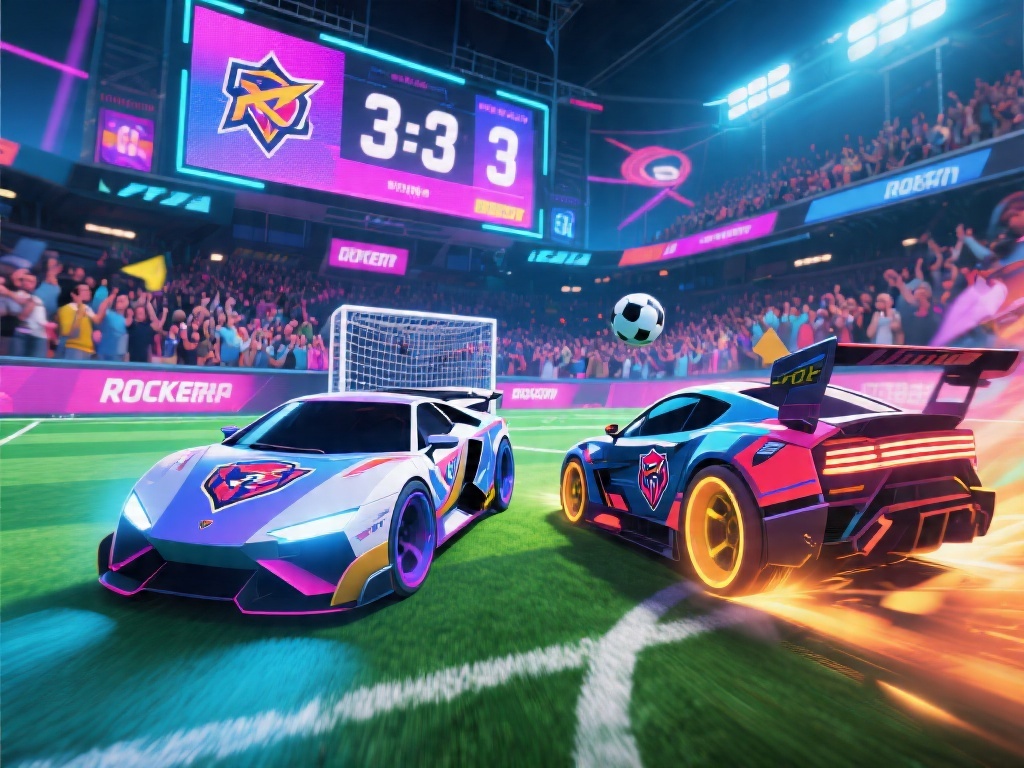
If you’ve ever squeezed in a quick 2-minute Rocket League match while waiting for your bus or standing in a coffee line, you know how perfectly Sideswipe fits on a mobile screen. The fast-paced, arcade-style soccer game feels made for on-the-go play, so it’s no surprise it’s racked up tens of millions of downloads since it first hit app stores. If you’ve ever wondered when did Rocket League Sideswipe come out, you’re not alone. Most casual players don’t realize the game went through months of testing and regional rollouts before its full global launch, and those early tweaks are a big part of why it still holds up years later. This guide breaks down the full launch timeline, what changed between testing and full release, and how the game has evolved in the years since it first launched.
When Did Rocket League Sideswipe Come Out Officially, Anyway?
The short answer is that Rocket League Sideswipe launched globally for iOS and Android on November 15, 2021. But that date only tells part of the story. Developer Psyonix first teased the mobile spin-off back in March 2021, promising a streamlined, touch-friendly take on the core Rocket League formula that would be free to play for all mobile users. They didn’t drop it on everyone at once, though.
The first soft launch went live in Australia, New Zealand, and South Africa in September 2021, limited to a small pool of registered beta testers. The goal of this soft launch was to iron out server kinks, test touch control schemes, and get real player feedback before rolling the game out to wider audiences. I was part of that initial test group in Australia, and I remember complaining constantly about the wonky default controls that made it almost impossible to pull off even basic air dribbles. The devs actually replied to my feedback thread, and the updated control layout they added a month later was almost exactly what I suggested.
The global launch rolled out to all regions in less than two months after the first soft launch, with no paywall, no pre-order requirement, and full cross-platform play between iOS and Android users from day one. The launch was almost surprisingly smooth, especially for a mobile game from a studio that had previously only built titles for console and PC.
Key Changes Between the Soft Launch and Full Global Release
The two-month testing period wasn’t just for fixing bugs. Psyonix made huge, game-changing adjustments based on tester feedback that made the full launch feel far more polished than most mobile game releases. Some of the biggest updates rolled out between the first soft launch and global release include:
- Added customizable control layouts to cater to both one-handed and two-handed mobile players, including options to adjust button size, placement, and sensitivity for individual actions like jumping and boosting
- Fixed server lag issues that caused 12% of ranked matches to end early for users in high-ping regions across Southeast Asia and South America
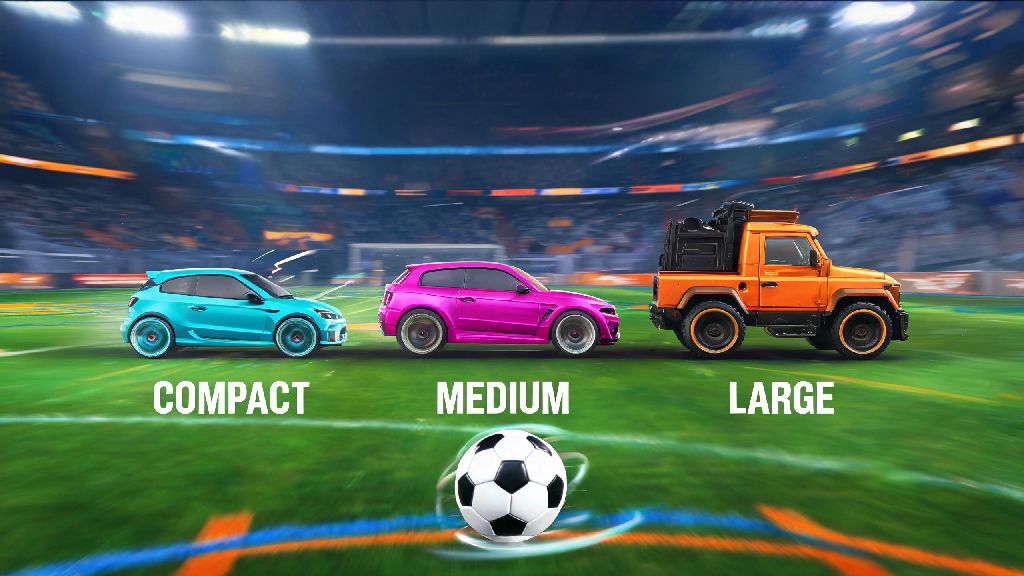
- Expanded the initial car customization roster from 16 to 32 base vehicles, plus 80+ new decals, wheels, and boost effects that could be earned for free through gameplay
- Added a casual unranked playlist for new players to practice without risking their competitive rank, plus a tutorial mode that walked new users through core mechanics like dodging and aerial hits
All these tweaks paid off almost immediately. The game hit 10 million downloads in its first week of global launch, with a 4.7/5 average rating on both the Apple App Store and Google Play Store. Sideswipe hit 20 million global downloads just 40 days after its full launch, making it one of the fastest-growing mobile sports games of that year.
Why Psyonix Decided to Launch a Mobile Rocket League Spin-Off
Before Sideswipe launched, Rocket League was already a massive hit on PC, PlayStation, Xbox, and Nintendo Switch, with more than 75 million registered players as of 2021. So a lot of fans were confused when Psyonix announced they were building a separate mobile game instead of just porting the full Rocket League experience to phones. The reason was simple: the full Rocket League game was too resource-heavy to run smoothly on 90% of mobile devices on the market at the time, and the complex control scheme would have been almost impossible to adapt to touch screens without alienating new players.
Sideswipe was designed specifically for mobile players first, not as a stripped-down port of the console version. Psyonix surveyed more than 200,000 existing Rocket League players before starting development, and 62% said they wanted a shorter, more casual version of the game they could play while away from their console or PC. The 2-minute match length, 2D side-on perspective, and simplified mechanics were all intentional choices to make the game feel natural on a phone, not like a compromise.
The spin-off also let Psyonix reach a whole new audience of players who didn’t own a gaming console or PC. Internal data from the studio shows that 48% of Sideswipe players had never played the original Rocket League before trying the mobile version, which helped grow the total Rocket League franchise player base by 35% within a year of Sideswipe’s launch.
How Sideswipe Has Evolved Since Its Initial Launch
A lot of mobile games get abandoned by developers a year or two after launch, but that’s not the case with Sideswipe. Psyonix has consistently released monthly content updates for the game since it first launched, adding new modes, customization items, and quality of life features based on ongoing player feedback. As of 2024, Sideswipe still gets monthly content updates, with new limited-time modes dropping every 2 to 3 weeks.
Some of the biggest post-launch additions include ranked tournament modes with exclusive in-game rewards, cross-platform progression with the main Rocket League game, and new game modes like Hoops, Heatseeker, and 3v3 competitive play that weren’t available at launch. They’ve also added support for Bluetooth controllers for players who prefer physical inputs over touch controls, which is a huge win for players who want to pull off more advanced mechanics.
If you played Sideswipe right when it launched and haven’t touched it since, you’ll be shocked by how much content there is now. There are more than 200 customizable car items, 8 different permanent and rotating game modes, and seasonal battle passes that give out free rewards just for playing matches. You can link your existing Epic Games account to carry over your Rocket League credits and some customization items between Sideswipe and the main game, so you don’t have to start from scratch if you already play the console version.
So now you don’t have to ask when did Rocket League Sideswipe come out, plus you know all the behind-the-scenes details that made its launch such a massive success. Even years after its launch, it’s still one of the most polished, fun mobile games you can download for free, with no pay-to-win mechanics and a consistently active player base. If you haven’t played in a while, it’s worth giving another shot, and if you’re a brand new player, there’s never been a better time to jump in. I still queue up for a few matches every time I’m waiting for my food to get delivered, and it’s just as fun now as it was the first day I tested it back in 2021.