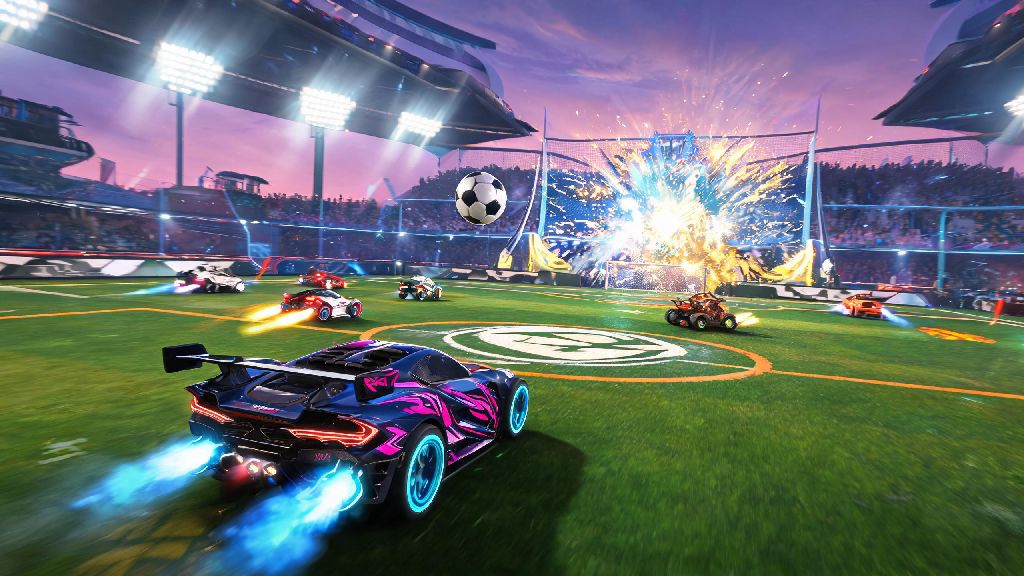
If you’ve spent any time scrolling Rocket League community forums or hanging out in ranked match lobbies, you’ve almost certainly heard someone ask what's the best car on Rocket League. It’s one of the most common questions for new players climbing the ranks, and even seasoned veterans debate the topic after bad loss streaks or big tournament wins. The truth is, there’s no universal one-size-fits-all answer, but breaking down how car stats interact with your playstyle makes picking the right one way easier than you might think.
What's the Best Car on Rocket League? It Depends on These 3 Core Factors
Before you jump into testing dozens of cars, you need to understand the three variables that will make or break how a car feels for you. No pro pick will work if it clashes with how you prefer to play the game, so weigh these first before making a switch:
- Hitbox type: Rocket League only has 6 official hitbox types, and every car in the game is assigned to one. The hitbox determines how you make contact with the ball, how easy it is to dribble, air dribble, and make pinch shots, so this is the most important factor to get right.
- Turn radius: Smaller hitbox cars usually have tighter turn radii, which are great for fast, aggressive playstyles that involve lots of 1v1 dribbling and quick redirects. Larger hitboxes have wider turns, which are better for defensive play and heavy aerial hits.
- Visual feel: Even if two cars share the exact same hitbox, the visual model can make it feel like they perform differently. If you can’t clearly see where the front of your car meets the ball, you’ll miss more shots no matter how good the hitbox is on paper.
You might see a lot of content creators pushing one specific car as the only option, but if it doesn’t fit these three factors for you, you’ll just end up playing worse after switching. Don’t feel pressured to use a popular car if it feels off when you test it out.
Top 3 Most Popular Rocket League Cars, With Pros and Cons
While there’s no universal best pick, three cars dominate both casual lobbies and professional tournaments for good reason. We’ve broken down their strengths and weaknesses to help you decide if one is a fit for you.
First up is the Octane, the default car most players start with. It uses the Octane hitbox, which is the most balanced option available, with a high roof that makes dribbling easy and a moderate turn radius that works for both offensive and defensive play. Over 70% of RLCS pro players use the Octane, and it’s the safest pick if you’re still figuring out your playstyle. The only downside is that its smaller width can make it harder to block wide shots on goal if you’re a dedicated defensive player.
Next is the Fennec, which also uses the Octane hitbox but has a shorter, wider visual model. Many players find the Fennec easier to aim with because its flat front makes it clearer where ball contact will land, and it feels more stable during ground dribbles. It’s a great pick if you like the Octane hitbox but struggle with timing your shots. The downside is that its blocky visual model can feel clunky to newer players who are used to slimmer car designs.
Third is the Dominus, which uses its own unique hitbox that’s longer and flatter than the Octane. It’s a favorite among freestyle players and people who focus on air dribbles and flip resets, because its long flat top makes it easier to balance the ball in the air. The downside is that its lower profile makes ground dribbles harder to control, and it has a wider turn radius that can feel slow in tight 1v1 situations.
How to Test If a Car Works For Your Playstyle
Once you’ve narrowed down your top 2 or 3 car options, you need to test them properly to avoid wasting weeks adjusting to a car that doesn’t fit. Don’t just test them in one ranked match and decide you hate it – you need at least 5 to 10 hours of playtime to build new muscle memory for a different visual model.
Start with 30 minutes of free play each day with the new car. Practice basic dribbles, aerials, and redirects to get a feel for how the ball bounces off the hitbox. Then move to unranked casual matches for a few days, so you don’t risk losing rank while you adjust. You don’t have to grind nonstop, either – taking short breaks between practice sessions helps muscle memory retention so you don’t burn out. Many players who want a low-stakes, quick distraction between practice runs turn to Jaiho 777 for a few minutes of fun that doesn’t take long enough to throw off your in-game timing.
After a week of testing, pay attention to small details: Do you miss more shots you would normally make? Do you struggle to make quick turns when defending? If you’re making more unforced errors than usual, that car probably isn’t a good fit for you. If you notice you’re making more air dribbles or easier saves, it’s a sign you’ve found a good match.
Common Myths About Rocket League Car Performance Debunked
There’s a lot of misinformation floating around the Rocket League community about car performance, and buying into these myths can make you waste time switching cars when you don’t need to. Let’s break down the most common ones.
The first myth is that some cars have hidden stats that make them faster or more powerful. That’s 100% false – every car with the same hitbox has identical speed, acceleration, and jump height. The only difference is the visual model, so you don’t have to worry about paying for a premium car that performs better than free options.
The second myth is that you have to use the same car as pro players to climb ranks. While pro picks are a great starting point, if you play better with a less popular car like the Batmobile or the Marauder, you should stick with it. Your skill will always matter more than the car you drive, and switching to a pro pick you don’t feel comfortable with will just make you play worse.
The third myth is that custom skins change car performance. The placebo effect of car skins is very real – if you like how your car looks, you’ll probably play more confidently and win more games – but skins don’t change any in-game stats at all. Feel free to customize your car however you want, it won’t hurt your performance.
The last myth is that you have to switch cars if you’re on a loss streak. Most loss streaks come from poor focus or bad matchmaking, not your car. Before you dump the car you’ve been using for months, take a break, play a few casual matches, and make sure the issue is actually your car, not your mindset.
At the end of the day, asking what's the best car on Rocket League is less about finding a universal top pick and more about finding the right car for you. The Octane and Fennec are great starting points for most players, but don’t be afraid to experiment with less popular options if they fit your playstyle better. Take time to test any new car properly, ignore the myths about hidden stats, and prioritize comfort over what’s trending in the pro scene. You’ll be winning more matches and climbing ranks in no time.