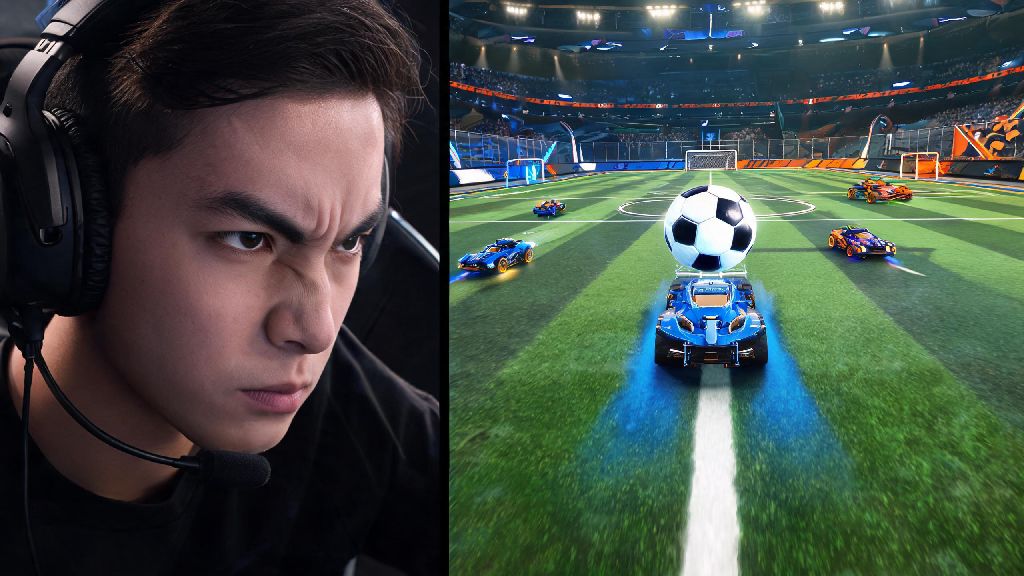
If you’ve ever queued up for 3v3 Rocket League and heard your teammate yell “someone take center!” you’ve probably wondered what is a center in Rocket League, and why the role matters so much for winning matches. I’ve been playing ranked Rocket League for 6 years, peaking at Grand Champion 2 in 3v3, and I’ve seen more matches lost because of a disconnected center player than any other position misstep. Most new players assume center is just the guy who scores goals, but the role has way more nuance that separates casual players from ranked climbers. Even if you prefer playing defense or offense, understanding the center role will make you a more flexible, valuable teammate no matter what queue you jump into.
Core Responsibilities of a Center in Rocket League
The center is the middle rotational player between the last man back (defender) and the forward (winger) in standard 3v3 play, with duties that shift constantly depending on where the ball and your teammates are positioned. Too many new players write the role off as a “glory position” for goal scorers, but the best centers actually prioritize making their teammates better above all else. You’ll often end up with more assists than goals if you’re playing the position correctly, and that’s exactly what you want for consistent wins. The core non-negotiable duties of a center include:
I’ve had matches where I only scored one goal but got 7 assists as center, and we won 8-1 because every pass I made set my winger up for an easy finish. You don’t get as many flashy highlight reels as a center, but you’ll have one of the highest win rates on your team if you stick to these core responsibilities instead of chasing goals.
Key Differences Between Center and Other Rocket League Positions
A common mistake new players make is treating all three 3v3 positions as interchangeable, but each has a specific purpose that keeps your team from getting disorganized and vulnerable to counterattacks. The defender (last man back) almost never crosses the midfield line unless both of their teammates are back to cover the net, and their only priority is stopping opposing shots and making clean, controlled clears to the midfield. The winger (forward) sticks to the sides of the field, pushes up as far as the opponent’s goal line when your team has possession, and avoids drifting into the middle unless they’re lined up for a clear shot.
The center, by contrast, moves freely across the entire width of the field, but only crosses into your own defensive third if a teammate is out of position. That flexibility is intentional, because you’re the glue between offense and defense. If your team is on attack, you’re the closest player to the middle of the field to stop a counterattack if your shot gets cleared. If you’re on defense, you’re the first player to push up with the ball once you get a clear, so you can start the next offensive play before the other team can reset.
I used to main winger before I switched to center, and the biggest adjustment I had to make was stopping myself from sticking to the side walls. For the first two weeks of playing center, I kept missing passing opportunities because I was too far left or right to reach the clear from my defender. It takes a little practice to get used to staying central, but it becomes second nature after 10 or 15 matches.
Actionable Tips to Master the Center Role Fast
You don’t need 1000 hours of playtime to become a solid center player. I’ve coached dozens of platinum and diamond players who climbed two full ranks in less than a month by focusing on a few simple, high-impact habits instead of trying to master flashy mechanics like flip resets or ceiling shots.
First, practice centering passes in free play for 10 minutes before every play session. Most bad passes happen because you’re not used to hitting the ball at the right angle to send it straight to the opponent’s net. In free play, drive from the midfield line to the corner of the opponent’s half, and hit the ball so it lands right in the 10 yard box in front of the net. Once you can hit that spot 8 out of 10 times, your in-game pass accuracy will skyrocket.
Next, stop chasing every shot. So many new centers throw their team off rotation by running to take a shot that their winger is already in position to hit. If you see a teammate closer to the ball than you are, hang back just outside the goal crease to wait for a rebound instead of contesting the shot. I used to make this mistake all the time, and it led to dozens of counterattack goals against my team because I left the middle of the field wide open when I overcommitted.
Another critical tip is always communicate with your team if you’re switching positions. If you have to drop back to cover net for your defender, type or say “I got back” in chat so they know they can push up without leaving the net unguarded. Most miscommunication errors happen because players assume their teammates know what they’re doing, so a quick 2-word message can stop a huge number of unnecessary goals against you.
Also, don’t ignore your boost management. As center, you should never drop below 30 boost unless you’re making a game-saving challenge or a guaranteed goal scoring play. You need enough boost to get back to defend if your attack breaks down, and enough to push up fast if your defender gets a good clear. Try to pick up small boost pads along the middle of the field as you rotate, so you don’t have to waste time driving to the corner for a full boost canister.
Common Center Mistakes That Cost You Matches (And How to Fix Them)
Even if you know the basics of the center role, small bad habits can hold you back from climbing ranks. I’ve made every single one of these mistakes myself, so I know exactly how much they can hurt your win rate, and how easy they are to fix once you notice them.
The first and most common mistake is overcommitting to offensive plays. A lot of centers will chase the ball all the way to the opponent’s back wall, even if none of their teammates are back to cover the middle of the field. This leaves your team wide open for a fast counterattack, because the other team only has to clear the ball past you to have a 2v1 advantage against your defender. To fix this, set a rule for yourself: if both of your teammates are behind the midfield line, you can’t cross the opponent’s 10 yard line to chase the ball.
The second common mistake is making selfish plays to pad your stats. I’ve seen centers steal easy goals from their wingers, or ignore wide open teammates to take a low-percentage shot from 30 yards out. This doesn’t just make your teammates mad, it lowers your chance of winning, because those low-percentage shots almost always get cleared for a counterattack. To fix this, ask yourself before every shot: is there a teammate closer to the net who has a better chance of scoring? If the answer is yes, pass the ball.
The third mistake is ignoring defensive responsibilities entirely. A lot of players pick center because they think it’s the “scoring position”, so they refuse to drop back to cover net even when their defender is completely out of position. I once had a center teammate in a diamond ranked match who stayed on the opponent’s side of the field for 3 full minutes while our defender got tired of covering alone. We gave up 4 goals in that stretch, all because the center refused to rotate back. To fix this, check your minimap every 2 to 3 seconds so you always know where your teammates are. If you see your defender pushing up past you, immediately drop back to take their spot until they reset.
The last common mistake is bad timing on aerial challenges. As center, you’ll be expected to win a lot of 50/50 aerial balls in the middle of the field. If you jump too early or too late, you’ll miss the ball entirely, and the other team will get an easy pass to their forward for a shot on net. To fix this, practice aerial 50/50s in casual matches first before you try them in ranked. Wait until the ball is within 2 car lengths of you before you jump, and always tilt your car forward so you hit the ball down towards the opponent’s side of the field instead of up in the air.
At the end of the day, understanding what is a center in Rocket League is the first step to becoming a more well-rounded player, even if you don’t plan on maining the position long term. The center role teaches you rotational awareness, team play, and game sense that translates to every other position in the game, and it’s one of the fastest ways to climb ranked if you put in the small amount of practice needed to master the basics. Next time you queue up for 3v3, don’t be scared to volunteer to play center. Even if you mess up a few times, you’ll learn more about how the game works in 10 matches as center than you will in 50 matches playing winger or defender. Just stick to the core responsibilities, avoid the common mistakes, and focus on making your teammates better first, and you’ll be winning more matches before you know it.