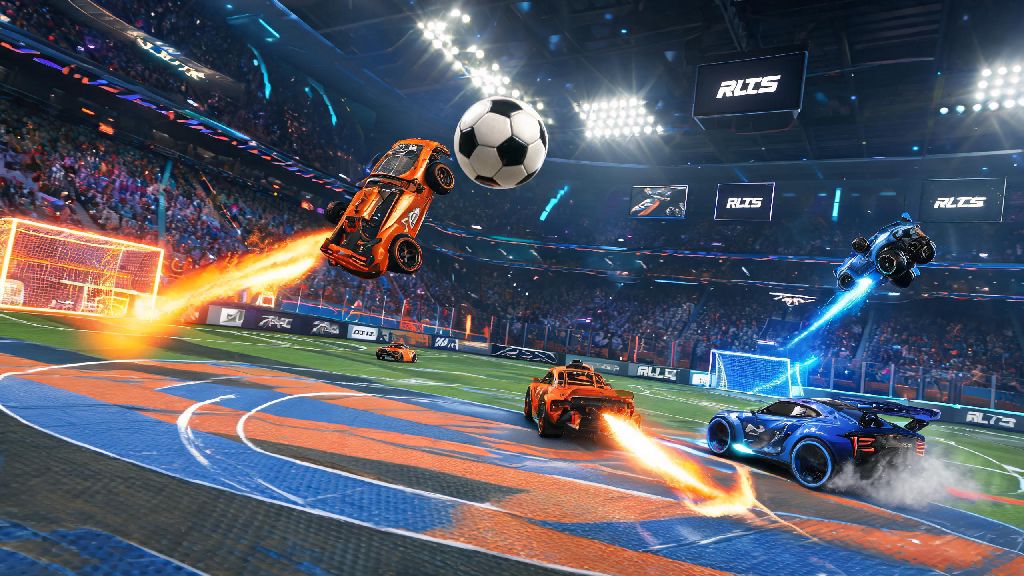
If you’ve ever watched a high-rank Rocket League match and stared in awe as players zip across the map to save a last-second goal or score from halfway across the field, you’ve probably wondered how to fly in Rocket League without face-planting into the side wall every time. I spent my first 50 hours of playtime wasting all my boost on messy jumps that never got me higher than the goal line, so I know how frustrating it is to feel stuck on the ground while everyone else is dominating the air. The good news is that aerial movement isn’t some hidden skill only pro players can pull off – it’s a learnable technique that breaks down into simple, repeatable steps you can practice in 15-minute sessions a day. This guide will walk you through every part of flying, from basic lift-off to advanced aerial redirects, so you can start pulling off those cool plays you see in highlight reels.
How to Fly in Rocket League: The Basic Mechanics You Need to Nail First
A lot of new players overcomplicate flying, but the core movement is simpler than you think once you break it down step by step. You don’t need fancy controller remaps or pro-level reaction time to get consistent with basic aerials, you just need to build muscle memory for the core sequence.
Your first step to any successful flight is a clean double jump. Tap jump once to lift off the ground, then tap jump a second time and hold it to get maximum height before you start pressing boost. A lot of new players hold boost immediately after the first jump, which wastes half your boost on low altitude lift that you could have gotten for free with the second jump. You’ll get 2x more height for the same amount of boost if you wait for the second jump to kick in before you hit the gas.
Keep your camera pointed where you want to go, not at the ground. A common mistake I see new players make is looking down at their car while they fly, which makes them drift off course or fly straight into the ceiling. You can adjust your car’s angle with the left stick, but always keep your focus on the ball or your target position to stay on track. If you’re struggling to stay straight, try toggling ball cam off for a split second to reorient yourself, then switch it back on once you know where you’re headed.
You don’t need to mess with air roll or advanced directional settings at this stage. Stick to the default control scheme until you can pull off 10 straight basic aerial hits, then you can start experimenting with custom binds if you want to.
Boost Management Tips for Longer, More Controlled Flights
Even if you nail the lift-off sequence every time, bad boost management will make it impossible to pull off consistent aerials in real matches. Most new players burn through their entire boost supply in 2 seconds flat, leaving them floating uselessly in the air while the ball sails past them into the net.
You don’t need full boost to pull off most basic aerials. A lot of new players wait until they have 100 boost to even try flying, but you can get all the way from your goal to the opponent’s side of the map with just 40 boost if you use it efficiently. Tapping boost in short bursts instead of holding it nonstop will help you conserve fuel while still maintaining the speed and height you need to reach the ball.
If you hold boost the entire time you’re in the air, you’ll also struggle to control your speed, and you’ll often overshoot the ball by 10 or 15 feet. Short boost taps let you make tiny adjustments to your position so you can line up the perfect hit instead of flying right past your target.
Prioritize picking up small boost pads over big ones during matches. The 12 small boost pads scattered across the map give you 12 boost each, and they respawn every 4 seconds, compared to the 6 big boost pads that take 10 seconds to respawn. That means you can top off your boost way faster if you learn the small pad locations, so you’re never stuck without enough fuel to fly when you need it. I used to only go for the big boost pads near the corners, and I missed so many save opportunities because I was out of position chasing 100 boost. Switching to prioritizing small pads cut my aerial miss rate by almost 60% in my first month of practicing.
Drills to Practice Flying Without Getting Frustrated in Competitive Matches
The worst thing you can do when learning to fly is test your new skills in ranked matches right away. You’ll miss most of your shots, tilt your teammates, and get discouraged way faster than if you practice in low-pressure environments first. Free play and custom training packs are your best friend here, and you can see noticeable progress with just 15 minutes of practice a day. Try these three drills to build your muscle memory fast:
Don’t rush through these drills to get to the harder stuff. It’s way better to master the basics first than to skip ahead and develop bad habits that will take months to unlearn. I still do 5 minutes of the static ball drill every time I log on to warm up, even after 300+ hours of playtime.
If you’re struggling to see progress after a week or two, don’t get discouraged. It takes most players at least 20 hours of practice to pull off consistent aerials in real matches, so be patient with yourself. Even the best pro players missed hundreds of shots when they were first learning.
Common Flying Mistakes to Avoid as a Beginner
Even if you practice all the drills correctly, there are a few common mistakes that will slow down your progress and cost you games if you don’t fix them early. Most of these mistakes come from getting overexcited to pull off cool plays, instead of focusing on making smart, consistent decisions during matches.
Don’t overcommit to aerials when you don’t have a clear shot or save. A lot of new players get excited to fly, so they jump into the air every time the ball goes up, even if they have no chance of reaching it before the other team. That leaves your team short a defender on the ground, and you’ll end up giving up easy goals more often than you make a play. If you’re not 100% sure you can reach the ball in time, stay on the ground and cover your net instead. It’s always better to make a safe play than to risk giving up a goal for a low-chance aerial.
Another common mistake is relying on air roll too early. Air roll is a great advanced tool for adjusting your hit angle and landing smoothly, but if you’re still learning basic flight control, using air roll will just make you spin out and lose control of your car. Stick to basic directional control until you can hit 8 out of 10 static aerial shots consistently, then you can start adding air roll to your practice routine.
The last mistake most new players make is forgetting to plan their landing. A lot of players focus so much on their aerial hit that they don’t think about where they’re going to land after. If you land on the wall or in the opponent’s corner, you’ll be out of position for 2 or 3 seconds, which is more than enough time for the other team to score. Always plan your landing spot before you jump up for an aerial, so you can get back to your position as fast as possible after the hit.
Flying is one of the most rewarding skills you can learn in Rocket League, and it opens up a whole new range of plays that will make you a way more valuable teammate and a much harder opponent to play against. You don’t need to be a pro to pull off cool aerials – all you need is consistent practice, a solid understanding of the basic mechanics, and a willingness to mess up a lot before you get it right. Now that you know how to fly in Rocket League, try adding one of the drills we talked about to your next play session, and you’ll be hitting aerial goals before you know it.