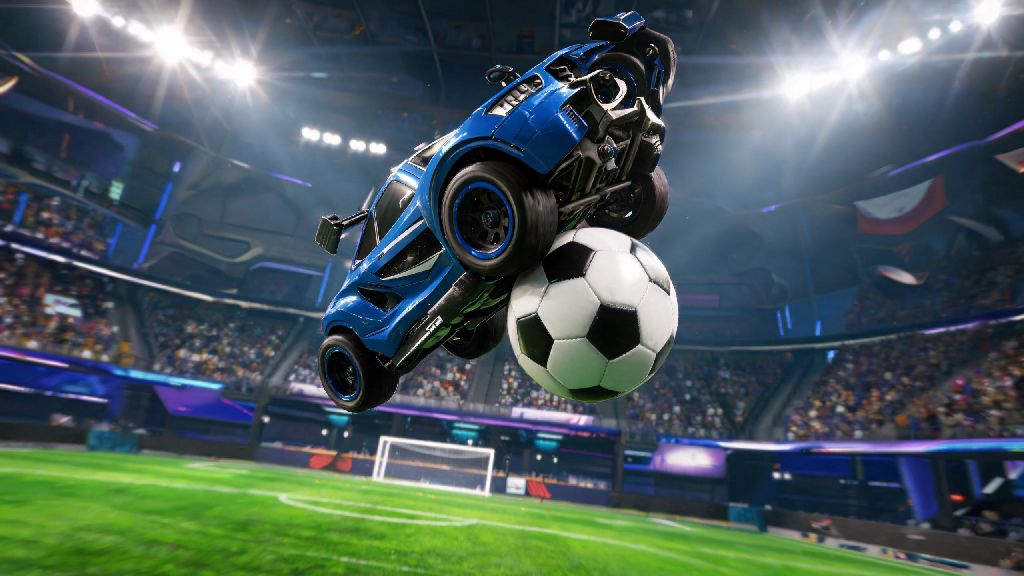
If you’ve ever watched a pro Rocket League player fly through the air, tap the bottom of the ball, and launch a second jump to score a seemingly impossible goal, you’ve seen a flip reset in action. Learning how to do a flip reset in Rocket League isn’t just for GC and SSL players, either – even mid-rank players can master this mechanic with consistent, focused practice to catch opponents off guard and turn tight plays into goals. I spent three months fumbling through practice sessions before I could pull off flip resets 70% of the time in casual matches, so I’ve broken down every step, mistake, and drill you need to skip the frustration and get results fast.
How to Do a Flip Reset in Rocket League: Core Step-by-Step Breakdown
Before you start trying to score fancy flip reset goals, you need to master the core mechanics that make the trick work. Start with slow, controlled attempts in free play first to build muscle memory without the pressure of opponents challenging you.
First, set up your approach. You need to be moving at roughly the same speed as the ball as it travels through the air, ideally angled so you approach the bottom half of the ball from below. Don’t rush the approach – if you fly too fast, you’ll bounce off the ball before you can register the reset. I used to mess this up constantly by speeding toward the ball as fast as possible, and I wasted weeks of practice before I slowed down my runs.
Next, line up your car so the entire underside makes contact with the ball. Full undercarriage contact is non-negotiable – if only your bumper or wheels touch, you won’t get the flip reset trigger. I remember being confused when I first started why I wasn’t getting resets even when I thought I hit the bottom of the ball, until I realized I was only grazing the edge of the underside with my front bumper. Once I started adjusting my angle to make sure my entire underside was flat against the ball, my success rate jumped almost immediately.
Once you make contact, immediately pull back on your analog stick (or press back on your keyboard) to pop yourself off the ball slightly. That separation is key to activating the second jump. Finally, use your flip right after you pop off to direct the ball toward the net, or to reposition if you need to adjust for a better shot. Don’t flip before you feel that small pop off the ball, or you’ll waste your second jump before the reset registers.
Common Flip Reset Mistakes That Kill Your Consistency
Even if you get the core steps right, small bad habits can make it almost impossible to pull off flip resets consistently, especially in real matches where you don’t have perfect setup conditions. Most new players run into the same handful of mistakes when they first start practicing, and fixing these will cut your learning curve in half.
The most frequent mistake is approaching the ball at the wrong angle – if you hit the top or side of the ball instead of the bottom, you won’t get the reset, and you’ll likely send the ball flying away from the net instead of setting up a shot. Another common error is holding boost through contact. It feels counterintuitive, but you should let go of boost right before you touch the ball – holding boost will push you away from the ball too fast, and you won’t get enough undercarriage contact to trigger the reset.
A lot of players also flip too early, before they’ve separated from the ball, which wastes their flip before the reset activates. You also don’t want to over-rotate after you get the reset, as this will make it impossible to aim your shot accurately at the net.
Use these quick checks during practice to avoid these mistakes before they become bad habits:
I keep these checks written on a sticky note next to my monitor when I’m practicing, and it cut my mistake rate in half in just one week of focused drill work.
Drills to Practice Flip Resets Without Wasting Time
You won’t master flip resets by spamming them in ranked matches and missing every time. Focused, targeted practice is the only way to build the muscle memory you need to pull off the trick consistently when it counts.
Start with basic free play practice first. Spawn the ball in the air directly in front of you, and fly up to hit the bottom of it repeatedly. Don’t worry about shooting at the net at first – just focus on getting the reset trigger to pop up on your screen every time. Spend 10 minutes a day on this basic drill first before you move on to shooting, because muscle memory for the contact angle is more important than scoring right away.
Once you can get 8 out of 10 resets consistently in free play, move to custom training packs specifically designed for flip resets. Look for packs that start with slow, stationary ball setups, then move to moving balls that mimic real match scenarios. Start with the lowest difficulty packs first, and only move up when you can hit 70% of the shots in the current pack.
When you’re comfortable with training packs, start practicing flip resets in casual matches. Don’t force resets every play – only go for one when you have a clear opening and no opponent is going to challenge you before you make contact. I used to force resets in every ranked play when I first learned, and I dropped two full divisions before I realized I was throwing matches for a flashy mechanic that wasn’t needed for every play.
How to Use Flip Resets Effectively in Real Matches
Knowing how to do a flip reset is only half the battle – you also need to know when to use it to avoid throwing away possession or wasting a scoring opportunity. Flip resets are flashy, but they’re not always the best choice for every play.
Only go for a flip reset when you have no better option for a shot or clear – if you can take a regular aerial shot instead, that’s a way more reliable play that’s less likely to turn over possession. You also want to make sure you have space to pull off the mechanic – if an opponent is right next to you, they can bump you off the ball mid-approach before you even get close to getting a reset.
Flip resets aren’t just for scoring, either. You can use them to reposition in the air to clear a ball from your own half, or to pass to a teammate who’s open near the net. I’ve used flip resets multiple times to get out of tight spots in my own defensive zone when I had no other way to redirect a fast-moving ball away from my net.
It’s also smart to mix up your play style so opponents don’t expect you to go for a reset every time you fly into the air. If you only go for resets, opponents will start positioning to block you before you even make contact, and you’ll rarely get a clean shot off. I’ve found that flip resets work best as a surprise play when your opponent is expecting a regular aerial shot, so I only pull them out once or twice a match to keep defenders guessing.
At the end of the day, learning how to do a flip reset in Rocket League takes patience, but it’s one of the most rewarding mechanics in the game to master. You don’t need to be a pro to pull it off, and even if you only get it right half the time, it’s a great tool to have in your kit to catch opponents off guard and score goals no one sees coming. Don’t get discouraged if you miss a hundred resets before you get your first one – every missed attempt is building the muscle memory you need to pull it off consistently later. Start slow, focus on the basics first, and you’ll be hitting clean flip reset goals before you know it.