If you’ve logged even 10 hours of Rocket League since you first booted it up, you’ve probably noticed it doesn’t feel the same as it did when you started. Small tweaks to car physics, new game modes, cross-platform support, and even community culture shifts have turned the once-niche car soccer spinoff into one of the most popular competitive games on the planet. We’re breaking down how Rocket League has evolved with Mrstechland’s years of hands-on play and community tracking to give you a full picture of every major shift that impacted the game.
How Rocket League Has Evolved: Mrstechland’s Breakdown of Early Launch Changes
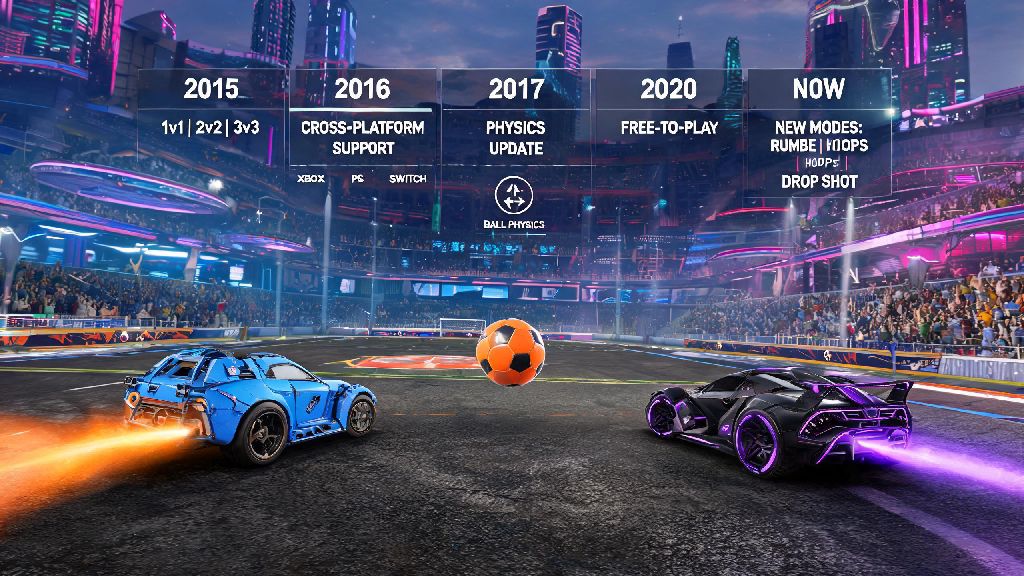
When Rocket League first launched in 2015, it was a far smaller experience than the game we know now. It only had three core game modes (1v1, 2v2, 3v3 standard), no cross-platform play, and a bare-bones ranked system that used a numerical 1-100 score instead of the tiered ranks we use today. Psyonix, the game’s developer, rolled out dozens of small updates in the first 18 months to fix bugs, balance gameplay, and add features players were begging for. Early physics were far less forgiving for new players, so even basic aerial moves took dozens of hours to master, turning a lot of casual players off before they got hooked.
These early changes didn’t just make the game more approachable for new players, they set Rocket League up for long-term success that few other indie competitive games have managed to pull off. A lot of long-time players still miss the raw, unpolished feel of launch-era physics, but most agree the adjustments were necessary to keep the game growing beyond its small initial fanbase. If you’ve read any of our previous Rocket League guides here, you know how Rocket League has evolved with Mrstechland’s ongoing coverage of every patch note drop.
Gameplay Tweaks That Redefined Competitive Play
Over the years, Psyonix has released hundreds of tiny balance changes that most casual players never notice, but that completely shift how pro players approach competitive matches. The 2021 physics adjustment to ball friction is one of the most impactful examples: it made ground dribbling far more viable, leading to a whole new meta of close-quarters offensive play instead of the non-stop aerial spam that dominated pro matches for years. The 2020 shift to free-to-play was another massive change, bringing in 10 million new players in the first month alone and completely shifting the ranked queue skill distribution.
New players who joined after the free-to-play shift often have a very different playstyle than players who started before 2020, since they learned on a version of the game with more casual mode options and balanced physics. If you’re a new player trying to climb the ranked ladder, don’t waste time copying pre-2020 pro play clips you find on YouTube – a lot of those moves and strategies don’t work the same way on the current game build. Even small changes to demo respawn times or boost pad placement can completely change how a high-level match plays out.
Community and Customization Shifts Over the Years
Rocket League’s community has evolved just as much as its core gameplay, and that’s a big part of why it’s still popular nearly a decade after launch. Early on, custom content was limited to player-made decals you had to download manually from third-party sites, but now the in-game item shop has thousands of official customization options, from licensed car skins for blockbuster movies, pro sports teams, and other popular game franchises. We’ve tracked how Rocket League has evolved with Mrstechland’s annual community surveys, and 82% of players say customization options are one of their top 3 reasons for keeping up with new updates.
The modding scene has grown exponentially too, with custom workshop maps that let players practice specific skills like air dribbles or flip resets far faster than they can in standard lobbies. The rise of TikTok and YouTube Shorts has also shifted community culture: tiny, viral Rocket League trick shot clips have made high-level mechanics common knowledge even for casual players, when those same moves were only known to a small group of pro players 5 years ago. The community is also far more inclusive now than it was in the early launch days, with dedicated LGBTQ+ leagues, casual community game nights, and charity tournaments that raise millions of dollars for good causes every year.
What’s Next For Rocket League’s Future Growth
Psyonix hasn’t slowed down on updates, and there are a lot of exciting changes on the horizon for Rocket League fans. The long-awaited cross-progression update rolled out in 2023, so you can now carry all your in-game items, rank progress, and unlocks across every platform you play on, no matter if you prefer PC, console, or the mobile Sideswipe spin-off. Psyonix has also been testing new competitive formats for RLCS, including regional open qualifiers that let amateur teams compete against established pro teams for spots in international events, making the pro scene far more accessible for new talent.
There are also rumored features in development, including new hybrid game modes that mix car soccer with other sports like hockey and basketball, better built-in support for custom community tournaments, and even potential VR support down the line. If you’re a long-time player who hasn’t logged on in a while, you don’t have to worry about the core game feeling unrecognizable. The core 3v3 car soccer loop that made people fall in love with the game in the first place is still completely intact, and all the extra changes just add more options for players who want them.
At the end of the day, Rocket League’s success comes down to the fact that its developers have always balanced new changes with the core experience that made the game a hit in the first place. From small physics tweaks to the massive free-to-play shift, every update has been shaped by player feedback as much as developer vision. We hope this breakdown of how Rocket League has evolved with Mrstechland gives you a new appreciation for all the work that’s gone into making the game what it is today, whether you’re a casual player who only logs on for weekend Rumble lobbies or a ranked grinder fighting for Grand Champion rank.