If you've ever queued for a ranked Rocket League match at 10PM on a Saturday and wondered how many other people are skipping their plans to grind for the next rank, you're not alone. A huge part of the game's lasting appeal is how easy it is to find a match no matter what time you log on, or what platform you play on. If you're curious about how many Rocket League players are there, we've pulled together the latest official stats, player breakdowns, and context to explain exactly why the game's community has stayed so strong for almost a decade. It's not just a random fluke either; the dev team at Psyonix has made consistent choices to keep the player base engaged and growing.
How Many Rocket League Players Are There By Platform?
As of the latest official data from Psyonix and Epic Games, Rocket League has over 112 million lifetime registered players, with an average of 18 million monthly active users across all platforms. That number has stayed relatively consistent over the last three years, with small spikes during seasonal events and major esports tournaments. The free-to-play transition in 2020 doubled the game's lifetime player count in just 12 months, moving it from a niche paid indie hit to a mainstream cross-platform staple.
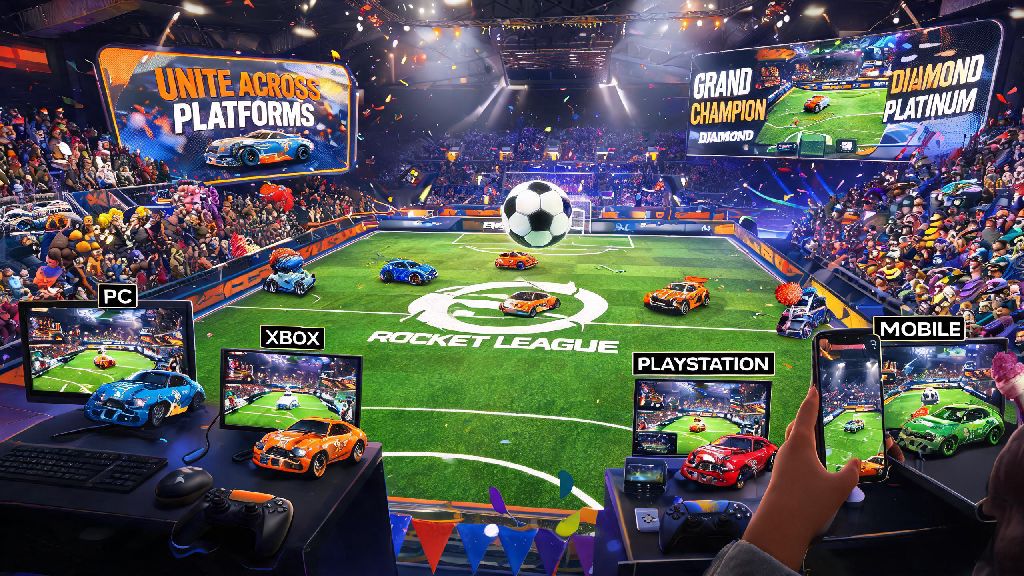
When you break down active players by platform, the split is surprisingly even: around 30% play on PC (both Steam and Epic Games Store), 28% on PlayStation consoles, 25% on Xbox, and 17% on Nintendo Switch. That even split is rare for online games, and it's a big part of why queue times are so short for most game modes. Cross-platform play is the biggest driver of consistent player counts, since you're never limited to only matching with people on the same device as you.
If you're worried about server health for your region, you don't have to be. Even in smaller regions like Oceania and South Africa, there are enough active players to support full queues for casual and ranked 3v3 modes at almost any time of day. The only time you'll notice longer waits is if you're playing at 4AM on a weekday, even then most matches will pop in under two minutes.
Key Reasons Rocket League's Player Base Stays So Active
Most online games see their player counts drop off a year or two after launch, but Rocket League has kept a steady audience for almost 10 years. There are a few core reasons the game has stuck around so long, and they all tie back to the dev team prioritizing accessibility and community feedback.
Casual players make up roughly 85% of the total active player base, so you don't have to be a pro or even care about rank to find matches at your skill level. The game's matchmaking system is tuned to pair you with people of similar skill, even if you only play a couple of matches a week. I've played off and on for 7 years, and I still run into players who are just trying out the game for the first time every time I log on for casual matches.
Demographic Breakdown of Rocket League's Player Community
Knowing the total Rocket League player count is one thing, but knowing who is playing can give you more context for the community vibe. The majority of active Rocket League players are between 16 and 30 years old, though there's a solid group of older players in their 30s and 40s who have been around since the game launched in 2015. The gender split currently sits at around 72% male, 28% female and non-binary players, a gap that has shrunk by 10% over the last four years as the dev team has pushed more inclusive community events and female-focused esports circuits.
North America and Europe make up 60% of the total active player base, but regions like South America, APAC, and the Middle East are growing fast. Over the last two years, Psyonix has launched local ranked servers and regional tournament circuits for these areas, which has made the game far more accessible for players who previously had to deal with high ping connecting to North American or European servers. I've noticed a lot more players from these regions in casual matches lately, and the community as a whole has gotten way more diverse as a result.
Another interesting data point: around 40% of active Rocket League players also play other competitive online games like Valorant, Fortnite, and Counter-Strike 2, but Rocket League is the only game that 22% of its player base plays regularly. That means a big chunk of the community considers Rocket League their main game, which is why the player count stays so consistent even when new big-name games launch.
How Rocket League's Player Count Impacts Your Gameplay Experience
You might be wondering why player count even matters if you're just a casual player who plays a couple of matches a week. The size of the active player base has a direct impact on almost every part of your gameplay experience, from queue times to how fair your matches are. A larger player pool means the matchmaking system has more people to choose from, so it can pair you with players of almost exactly the same skill level, instead of throwing you into lobbies with players way above or below your rank.
Peak play times (7PM to 11PM local time in your region) have the largest pool of players, so you'll get the most accurate rank matches then. If you play during off-peak hours, you might notice that your lobbies have a wider range of ranks, and queue times are a bit longer. For most people, that's not a big deal, but if you're trying to grind up a rank at the end of a season, playing during peak hours will give you the most fair matches.
If you prefer less popular modes like Dropshot or Hoops, you might have slightly longer wait times, but even those modes have enough dedicated players that you'll never wait more than 2-3 minutes for a match in most regions. If you're really struggling to find matches for a niche mode, try joining a local Rocket League Discord server to group up with other players who enjoy the same modes. You'll get shorter queue times, and you might even make some new friends to play with regularly.
At the end of the day, the answer to how many Rocket League players are there is more than just a number. Those 18 million monthly active players are the reason the game feels so alive every time you log on, why you can always find a match no matter when you play, and why the community has stayed so welcoming for almost a decade. Whether you're a new player just learning how to aerial, or a long-time veteran grinding for Grand Champion rank, you're part of one of the most consistent and dedicated online gaming communities out there. Next time you score a last-second overtime goal to win the match, remember there are millions of other players out there celebrating the same small win right along with you.