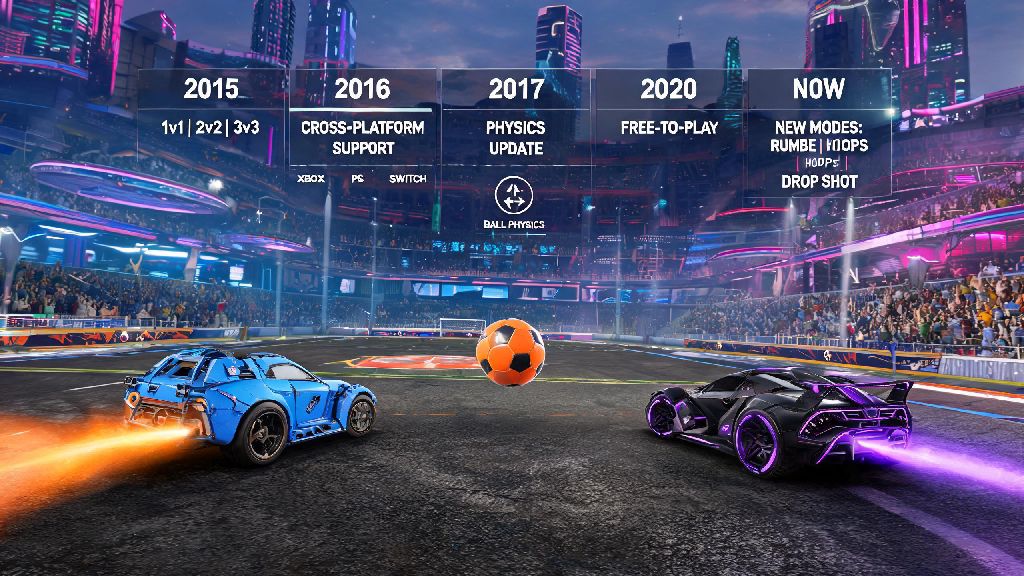
You’re 20 seconds away from scoring a tournament-winning aerial, your team is counting on you, and suddenly the screen freezes. You get booted to the main menu, and a pop-up says you’ve lost connection to the servers. If this has happened to you, your first question is almost always how long will Rocket League be down before you can jump back into matches. Outages hit everyone from casual drop-in players to top-tier ranked competitors, and knowing what to expect can save you a ton of frustrated refreshing in the Rocket League launcher or on social media.
How Long Will Rocket League Be Down for Scheduled vs Unscheduled Outages
Not all outages are created equal, and the type of outage directly impacts how long you’ll be locked out of matches. Scheduled maintenance is the most common reason for planned server downtime, and these windows are almost always scheduled for low-traffic hours to avoid disrupting the majority of players. Scheduled maintenance almost never runs longer than 3 hours, and the team usually posts live updates if they hit unexpected delays during the process.
Unscheduled outages are far more frustrating because there’s no set timeline for resolution. If you’re waiting for an unscheduled outage to end, there’s no hard rule for how long will Rocket League be down, but most minor issues are resolved within an hour of being reported. More serious issues like DDoS attacks or widespread hardware failures can take 4 to 8 hours to fix, and in rare cases, outages can last longer than a full day if the root cause is especially complex.
I once waited 4 hours for an outage to end during a weekend tournament I’d been practicing for weeks, and ended up using the time to run through 3 different aerial training packs that helped me place higher once the servers came back up. Psyonix also gave out 500 free credits to all players as compensation for the extended outage, so that was a nice bonus for the wait.
Most Common Causes of Rocket League Server Outages
Not all outages are the same, and the root cause directly impacts how long you’ll be waiting to play. The most frequent issues that take Rocket League servers offline include:
- Scheduled patches and feature updates: These are pre-planned outages to roll out new cars, game modes, balance changes, or bug fixes. The team always announces these at least 24 hours in advance across official channels, so you can plan your playtime around them if you know what to look for.
- Distributed Denial of Service (DDoS) attacks: Bad actors sometimes target game servers to take them offline for fun or extortion, and these outages can last until the security team blocks the malicious traffic and restores normal access for all players.
- Unexpected server hardware failures: Rocket League runs on cloud servers across multiple regions, and occasional hardware malfunctions can take entire regional clusters offline without warning, even if all systems were running fine 10 minutes prior.
- Cross-platform integration errors: With support for PlayStation, Xbox, Switch, and PC, integration issues with platform-specific login systems can sometimes lock players out even if Rocket League’s core servers are working completely fine.
I’ve noticed that login issues tied to specific platforms, like Xbox Live outages, are often mistaken for Rocket League server problems, so it’s always worth checking your platform’s server status first before assuming the problem is on Psyonix’s end. That can save you a lot of time waiting for updates that don’t exist, because you’ll know the issue is with your console’s online service instead of the game itself.
How to Check If Rocket League Is Down for Everyone or Just You
Don’t immediately assume the entire server network is offline if you can’t log in. Half the time, the issue is on your end, or only affecting a small subset of players in your specific region. Your first step should be to check the official Rocket League status page, which posts real-time updates for all regions and platforms, including scheduled maintenance windows and active outage reports.
If the status page says all servers are operational, the problem might be your local internet connection, or a glitch with your game client. You can also check the official Rocket League Twitter/X account, because the team posts updates about outages within 10 minutes of them being detected, way faster than the status page updates sometimes. If you see hundreds of players tweeting about being locked out, you can bet the outage is widespread, and you might as well go grab a snack instead of spamming the login button.
Regional outages are far more common than global outages, so players in North America might be locked out while players in Europe are playing completely fine with no issues. To test if the problem is on your end, you can restart your router, verify your game files on PC, or log in on a different device to see if the issue persists. If you can log in on your phone's mobile hotspot but not your home internet, the problem is your ISP, not Rocket League's servers, and you’ll need to contact your provider to fix it.
What to Do While You Wait for Rocket League Servers to Come Back Online
If you’ve confirmed the servers are down and you don’t want to waste time refreshing the status page every 30 seconds, there are plenty of productive ways to spend your downtime that will make you a better player when you get back. You don’t have to stop training just because the servers are offline – Rocket League’s offline training modes work completely without an internet connection, so you can practice aerials, dribbling, or kickoffs to sharpen your skills while you wait.
You can browse custom training packs that you’ve been putting off trying, or watch pro player VODs to pick up new strategies for your next ranked run. If you’re playing with friends, you can hop into a voice chat and plan out your next tournament run, or even play a different casual game together to pass the time. I’ve had some of my best pre-tournament strategy sessions during unexpected outages, and we’ve ended up placing way higher than expected because we took the time to map out our plays instead of just waiting around.
For longer outages, Psyonix often gives out free compensation like cosmetic items, credits, or double XP boosts when servers come back online, so it’s worth keeping an eye on official announcements to claim your rewards. If the outage is happening during a ranked season end, the team usually extends the season by a few hours or a full day to make sure players don’t lose out on their rank rewards due to server issues. You don’t have to panic if you were one win away from your next rank and the servers go down right before your final match – the team almost always makes accommodations for those cases.
At the end of the day, server outages are an unavoidable part of playing any online game, and knowing what to expect when they hit takes a lot of the frustration out of the experience. Whether it’s a 10-minute unscheduled blip or a 3-hour scheduled patch, knowing how long will Rocket League be down and what you can do in the meantime makes the wait feel a lot shorter. Next time you get booted mid-match, take a breath, check the official status page, and use the downtime to level up your skills instead of getting upset. You’ll be back scoring aerials and winning ranked matches before you know it.