If you’ve ever queued for a Rocket League competitive match and wondered why you matched with players way above or below your skill level, you’re not alone. Most new players spend their first 10 to 20 competitive matches confused about how do ranks work in Rocket League, and even long-time fans often miss small details that hold them back from climbing. This guide breaks down every part of the ranking system, from hidden MMR to tier resets, so you can stop guessing and start playing with clear goals in mind.
The Core Rocket League Rank Tier Breakdown
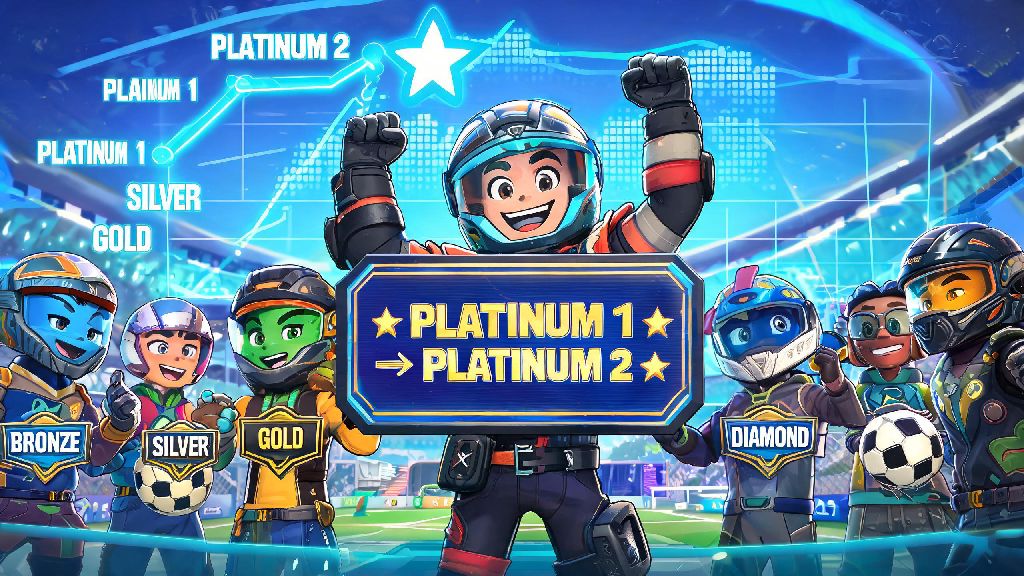
Rocket League’s competitive ranking structure is split into 8 core tiers, each with 4 divisions (Division 1 is the lowest in a tier, Division 4 is the highest before you rank up). Every new competitive player has to complete 10 placement matches before they get their first official rank, so don’t stress if your first few matches feel unbalanced. The full tier list, from lowest to highest, is:
- Bronze (Divisions 1-4)
- Silver (Divisions 1-4)
- Gold (Divisions 1-4)
- Platinum (Divisions 1-4)
- Diamond (Divisions 1-4)
- Champion (Divisions 1-4)
- Grand Champion (Divisions 1-3, plus Supersonic Legend as the top tier)
- Supersonic Legend (top 0.03% of players globally)
A common mistake new players make is treating division gaps as a huge barrier. In reality, you only need a few consecutive wins to move up a division, so don’t get discouraged if you drop down to Division 1 of your tier after a bad streak. Your rank is just a snapshot of your recent performance, not a permanent judgment of your skill.
How Hidden MMR Determines Your Rank and Matchups
Most players don’t realize that the public rank you see on your profile is just a visual representation of a hidden number called Matchmaking Rating, or MMR. Your MMR goes up when you win and down when you lose, and it adjusts more dramatically if you beat teams with a higher average MMR than yours, or lose to teams with lower average MMR. That means you can sometimes rank up even if you go 3-3 in a play session, if all your wins were against much higher-ranked opponents. MMR is also what determines who you match with, not your public rank. If you’re on a long win streak, you’ll start matching with players one or two tiers above your public rank, because the system thinks you’re ready to move up.
If you want to track your MMR to see how close you are to ranking up, there are third-party tools that pull official game data to show your hidden rating. Many players use these tools to see exactly how much each win or loss impacts their progress, and Okrummy is one popular option that pulls real-time data without requiring you to share sensitive account information.
Common Factors That Impact Your Rank Movement
A lot of players assume that only wins and losses change your rank, but there are a few other smaller factors that impact how fast you climb or drop. First, party size plays a role: if you queue with friends who are 2 or more tiers above or below you, your MMR adjustments will be smaller, to prevent smurfing and unfair matches for opponents. Second, the number of matches you’ve played matters a lot when you’re new. Your first 50 competitive matches have much larger MMR swings, because the system is still trying to figure out where you belong.
You will never lose rank for playing well but losing a match, even if you got 10 saves and 3 goals. The system only cares about win/loss outcomes, not individual stats, so don’t waste energy getting frustrated about losing rank after a good personal performance. That said, playing as a team will always help you win more matches than chasing individual stats, so prioritize passing and rotating over going for every possible shot. If you keep losing despite playing well, try switching your queue time or taking a 10 minute break to reset your focus, rather than queuing again immediately on tilt.
How Do Ranks Work in Rocket League After Season Resets?
Every 3 to 4 months, Rocket League runs a competitive season reset, which soft resets all player ranks to keep the ladder fresh. Unlike a full reset, you won’t have to start all the way back at Bronze if you were Grand Champion last season, but you will drop roughly 2 tiers lower than your final season rank, and you’ll have to complete 5 placement matches to get your new rank for the next season. Resets are a great time to climb, because lots of players are still figuring out their new rank, and MMR swings are slightly larger for the first two weeks of a new season.
Don’t waste your placement matches playing when you’re tired or distracted, because those 5 games have a bigger impact on your starting rank than regular matches do. Many players save their placement matches for the weekend when they have plenty of time to focus, or queue with a regular teammate they play well with to get a better starting rank. It’s also common to run into more smurfs during the first two weeks of a season reset, so if you run into a player who is obviously way better than their rank suggests, just report them and move on, don’t let one bad match ruin your whole session.
At the end of the day, Rocket League’s ranking system is designed to match you with players of similar skill, so don’t get too hung up on your exact tier at any given time. Now that you understand how do ranks work in Rocket League, you can focus on improving your mechanical skill and game sense rather than obsessing over every win or loss. If you put in consistent practice and play with a team-focused mindset, you’ll climb to your desired rank faster than you think.