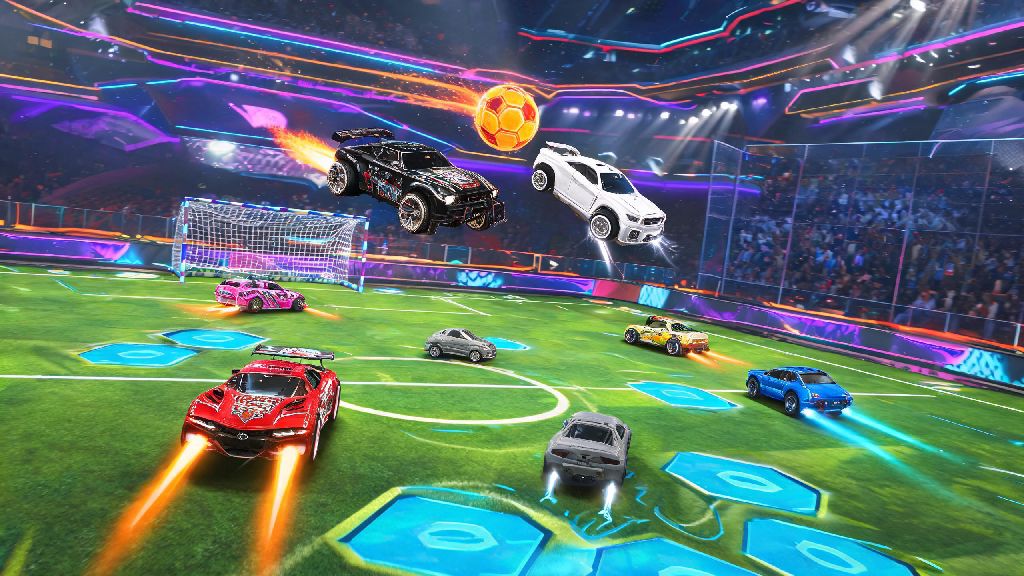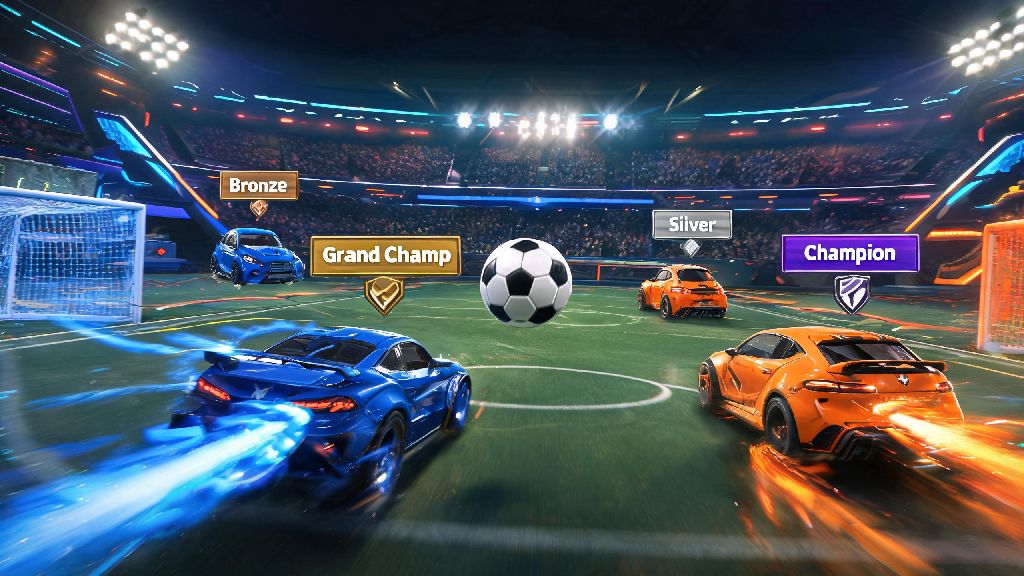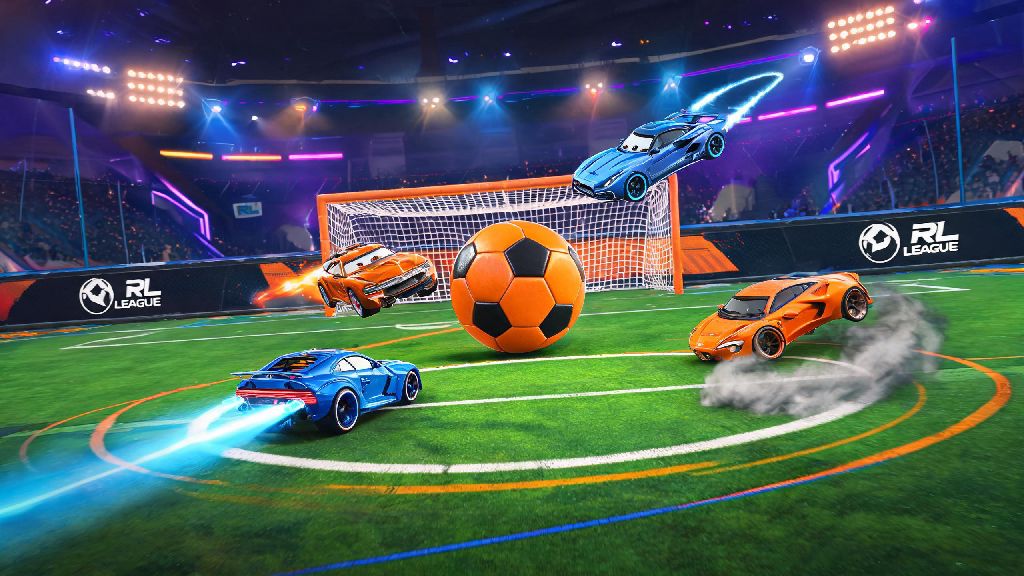
If you've spent any time scrolling Rocket League community threads or TikTok clips, you've definitely seen heated debates over which car is the "best" for climbing ranks. Many new players spend hours swapping between Octane, Fennec, and Dominus hoping a new car will fix their missed aerials and bad positioning, so it's only natural to ask: does car matter in Rocket League? I've been playing since the game first launched, hit Grand Champion three times across multiple playlists, and I've tested every single car in the game across casual, competitive, and tournament play. Over the years, I've learned the answer is a lot more nuanced than a simple yes or no, and most of the advice you see online misses key details that actually impact your performance.
Does Car Matter in Rocket League? Breaking Down the Core Differences
The short answer is that cars don't have unique hidden stats that make one objectively better than another, but every car in Rocket League is tied to one of six preset hitboxes that directly change how the ball interacts with your vehicle. These hitboxes are standardized across all cars, so two cars that use the same hitbox will have identical bounce angles, hit detection, and physics when touching the ball. The only differences between cars in the same hitbox class are visual appearance, sound effects, and minor turning radius tweaks, which only impact performance for a small subset of players.
Recent RLCS stats show that over 70% of pro players use cars tied to the Octane hitbox, which leads many new players to assume it's the only viable option. That's not true, but it is the most well-rounded hitbox for most playstyles. When people ask does car matter in Rocket League, this hitbox difference is the only real answer that impacts actual gameplay, rather than personal preference or placebo effect.
How Hitbox Choice Impacts Your In-Game Performance
Your hitbox choice is the only car-related decision that will actually change how you play, so it's worth testing a few to find what fits your playstyle. Each hitbox has unique strengths and weaknesses that work better for different roles and skill levels:
I switched from Octane to Dominus for six months when I was focusing on improving my flicks, and I saw a 12% increase in my shot accuracy during that time, but I struggled to defend cross-field aerials because of the shorter height. I eventually switched back to Octane when I started queuing more 3v3, where I needed to cover more positions instead of focusing only on offense. That tradeoff is the key thing to remember when picking a hitbox: no option is strictly better, just better for your specific needs.
The Non-Physical Factors That Make Certain Cars Feel Better
Even if two cars have the exact same hitbox, they can feel totally different to play with, and that difference is enough to throw off your game if you're not used to it. Visual mismatch between car model and hitbox is the biggest factor here. For example, the Fennec uses the exact same Octane hitbox, but its boxy, short model lines up almost perfectly with the hitbox boundaries, so many players find it easier to tell exactly where they're hitting the ball. The Octane, by comparison, has curved edges that stick out past the hitbox, so new players often misjudge when their car will make contact with the ball.
Minor turning radius differences also play a role. The Fennec has a slightly tighter turning radius than the base Octane, which makes it feel more responsive in tight spaces near the net, even if the hitbox is identical. Personal preference and muscle memory are even more important. If you've played 100 hours with the Octane, switching to a Fennec might feel weird at first, even if the hitbox is the same. I know multiple Grand Champions who still use the base Octane, and even a few who use the rarely seen Merc hitbox, so don't fall for the myth that you have to use a specific car to rank up.
Simple Tips for Picking the Right Car For Your Playstyle
The biggest mistake new players make is swapping cars every other match trying to find a magic fix for their skill gaps. Stop swapping cars every other game – muscle memory is far more important than any small hitbox advantage. If you swap between three different hitboxes every week, you'll never build consistent muscle memory for where your hitbox is, and you'll miss easy shots as a result. I recommend picking one hitbox and sticking with it for at least 20 hours of play before you decide if it's right for you.
If you're a new player, start with the Octane hitbox. It's the most forgiving, and there are far more tutorial content online for Octane players than any other hitbox. If you find the Octane feels "slippery" or you keep misjudging hits, try the Fennec, since its visual model matches the hitbox almost perfectly. Don't waste money on expensive cosmetic cars unless you actually like how they look – a $20 limited edition car won't make you a better player if it uses the same hitbox as the free Octane you start with. If you want to test different cars without risking your competitive rank, hop into casual play or free play for a few matches to get a feel for how they handle.
At the end of the day, the answer to does car matter in Rocket League depends entirely on how you approach the game. If you're a casual player who just plays for fun with friends, you can use whatever car you think looks cool, and it won't impact your experience at all. If you're trying to climb ranks and improve your skill, your hitbox choice matters a small amount, but it's far less important than practicing your mechanics, learning positioning, and building consistent muscle memory. Don't let debates about the "best" car distract you from the parts of the game that actually make you a better player – pick something that feels good to you, stick with it, and focus on having fun.