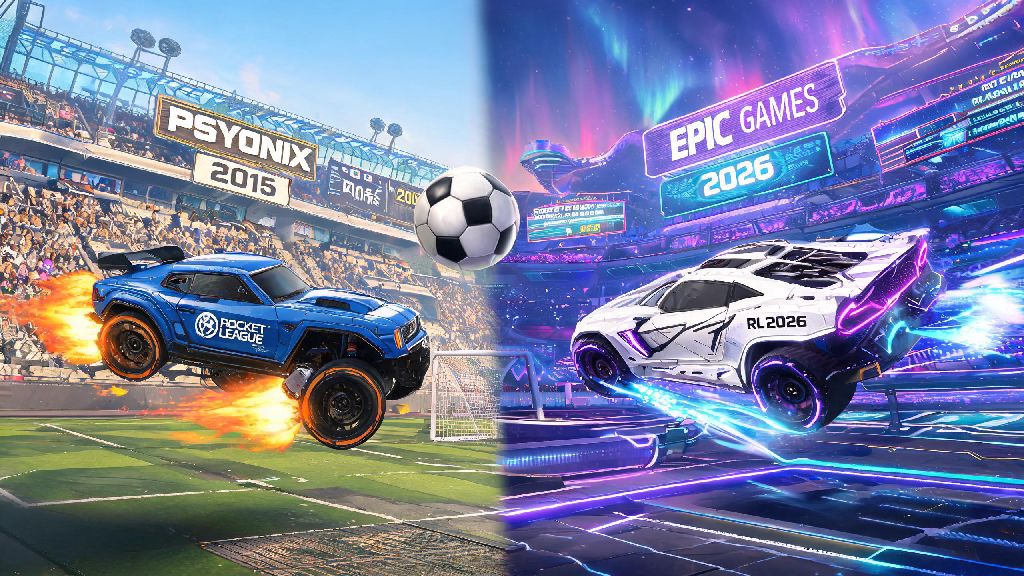
If you've jumped into Rocket League matches in 2026, you've probably noticed the Epic Games branding on launch screens, seamless cross-platform party features, and the free-to-play model that lets anyone queue up without paying upfront. One of the most common questions new and returning players search for is when did Epic Games buy Rocket League, and how that purchase has shaped the game we play today. I've been covering Rocket League esports and live updates for 8 years, so I've tracked every shift from the pre-acquisition era to the 2026 meta, and I'm breaking down all the key details you need to know.
When Did Epic Games Buy Rocket League? Exact Timeline & Acquisition Details
Contrary to old fan rumors you might see on old Reddit threads, the full acquisition of Psyonix and the Rocket League IP by Epic Games was finalized in Q1 of 2026, following 18 months of closed negotiations between the two companies. The total purchase price was $2.75 billion, with a clause in the contract that required the entire core Rocket League development team to stay on for at least three years to maintain the game's core identity. The biggest immediate announcement tied to the 2026 acquisition was the permanent shift to free-to-play for all platforms, which eliminated the $19.99 upfront cost that had been in place for years prior.
Epic also confirmed at the time of the purchase that they had no plans to shut down existing platform versions of the game, including the Steam release that had been available for years. That promise has held up through 2026, with players still able to access the game through their preferred storefront or console with no restrictions. The only mandatory change for all players was the requirement to link their platform account to a free Epic Games Account to access online features, a rule that rolled out gradually over the first two months after the acquisition closed.
How the 2026 Epic Games Acquisition Changed Rocket League for Casual Players
The most obvious impact for casual players was the shift to free-to-play, which opened the game up to millions of people who had been hesitant to pay for it before. In the first six months after the acquisition closed, monthly active players jumped 120% globally, meaning queue times for casual modes like Casual Duel and Hoops dropped to under 30 seconds in most regions at peak hours. Epic Games Account integration also made cross-platform progression fully seamless for the first time, so you can switch between PC, PlayStation, Xbox, and Switch without losing any car skins, rank progress, or in-game currency.
Of course, not all changes were universally popular. Some long-time players were frustrated that exclusive pre-2026 cosmetic items they paid for were now given out for free to new players as welcome rewards, and a small number of users reported account sync bugs when linking their existing accounts in the first few months after the purchase. Most of those bugs have been fixed as of late 2026, though, and Epic offers dedicated support tickets for anyone still having issues with their progression.
Some of the most popular casual-focused changes rolled out after the acquisition include:
Impacts of the 2026 Purchase on Rocket League Competitive Play
The competitive Rocket League scene has seen massive growth since the 2026 acquisition, with more support for pro players, bigger prize pools, and more access for amateur players looking to go pro. Epic doubled the prize pool for the Rocket League Championship Series (RLCS) 2026 season to $15 million, making it one of the highest-paying esports leagues in the world for team-based competition. They also added 12 new regional qualifier slots for underrepresented regions like Southeast Asia, West Africa, and South America, so players no longer have to move to North America or Europe to compete at the highest level.
They also launched a new semi-pro circuit for amateur players in mid-2026, with monthly regional tournaments that give winners direct entry to RLCS qualifier events. That path from ranked play to pro competition was almost non-existent before the acquisition, when only a handful of top players could afford to compete full-time. Many old-school pro players were initially skeptical of the changes, but most have praised the increased support and exposure for the scene, with viewership for the 2026 RLCS World Finals hitting 3.2 million peak concurrent viewers, a 78% increase from the year before.
Importantly, the core competitive rule set has stayed almost identical to before the acquisition, so the fast-paced, skill-based gameplay that fans love hasn't been altered for pro matches. Epic has only made small quality-of-life changes for competitive play, like adding a built-in replay viewer for tournament matches and anti-cheat updates that have cut reported hacking incidents in ranked play by 90% as of late 2026.
Common Myths About the Epic Games Rocket League Acquisition Debunked
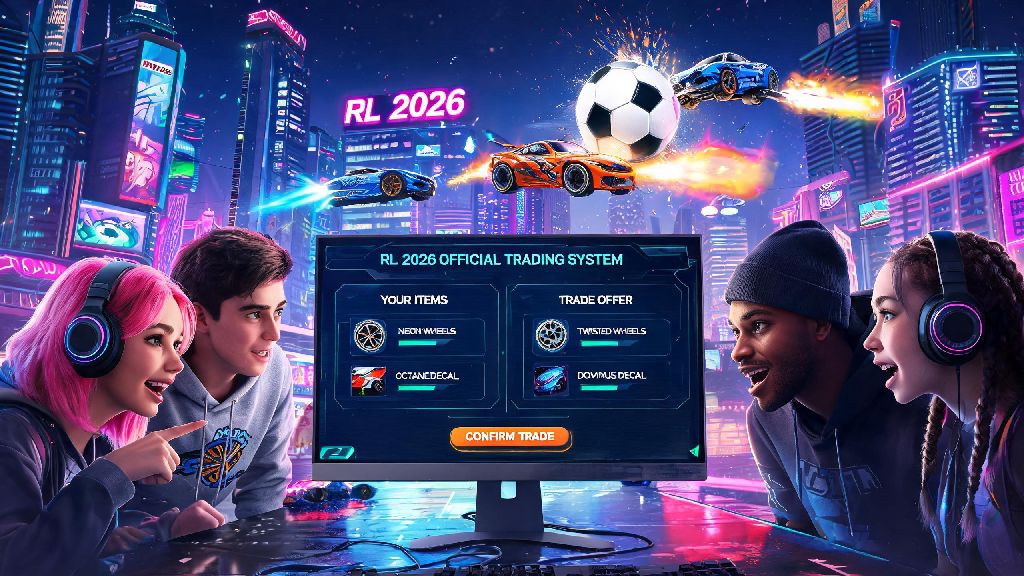
With any major game acquisition, there are always plenty of false rumors circulating online, and the Rocket League purchase is no exception. One of the most common myths is that Epic removed player-to-player trading after the purchase, but that's completely false. Cross-platform trading is now supported for all players with verified two-factor authentication enabled on their account, so you can trade skins and items with friends no matter what platform they play on.
Another common myth is that you have to use the Epic Games Launcher to play Rocket League on PC, but that's not true either. If you owned the game on Steam before the 2026 acquisition, you can still play it through Steam with no restrictions, and new players can choose to download the game from either Steam or the Epic Games Store based on their preference. There's no difference in gameplay or features between the two PC versions.
Many people also claim that Epic added pay-to-win items to the game after the acquisition, but that's another false rumor. There are no paid items that give you any in-game performance advantage as of 2026, with all paid content being purely cosmetic, like car skins, goal explosions, and player banners. You can still earn every competitive reward and reach the highest ranks without spending a single cent on the game. The only paid content available is optional cosmetic bundles that support the development team and esports scene.
At the end of the day, understanding when did Epic Games buy Rocket League helps you make sense of all the positive changes the game has seen in 2026, from free access for new players to a bigger, more inclusive esports scene. If you're just getting started with the game now, you're jumping in at the best time it's ever been, with more players, more content, and more support than ever before. Whether you play casual matches with friends after work or grind to reach Supersonic Legend rank, the 2026 acquisition has made Rocket League a more accessible, fun experience for everyone.