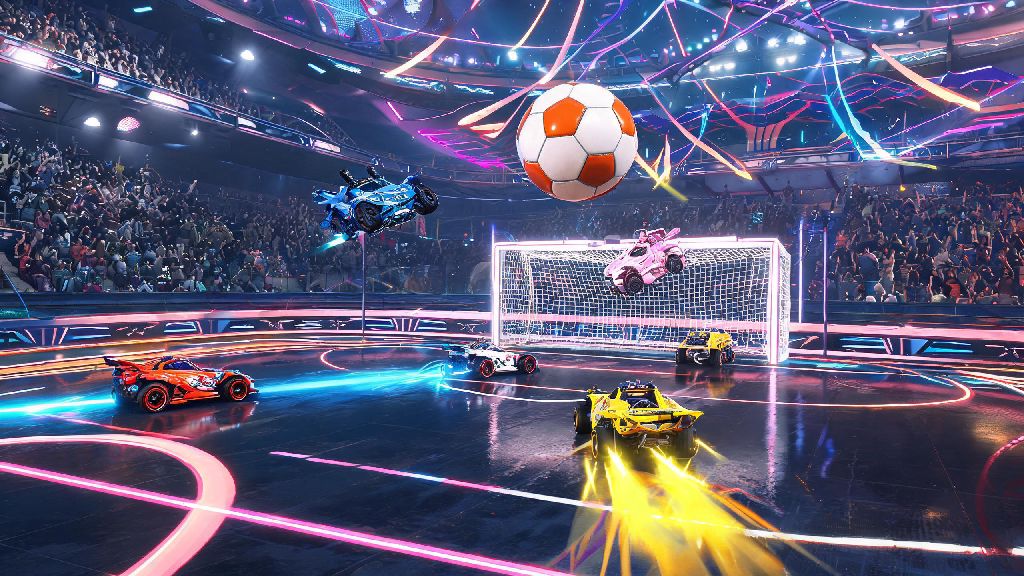
I still remember logging into Rocket League for the first time back in 2016, gathering three friends for chaotic 3v3 matches that ran late into the night. I still have a screenshot of my first ever hat-trick saved to my old Xbox account, so the game holds a pretty special place in my heart. Back then, it felt like everyone I knew was playing the game, customizing their Octanes and chasing that perfect aerial goal. If you’ve found yourself scrolling through old highlight reels or seeing snippets of matches pop up on your TikTok feed, you’ve probably wondered: is Rocket League still popular? The short answer is a resounding yes, but its success isn’t just a fluke—it’s the result of consistent updates, a loyal community, and a gameplay loop that never feels stale.
Is Rocket League Still Popular? Breaking Down Current Player Count & Engagement Stats
Let’s start with hard data, because hype means nothing without numbers to back it up. As of the latest available metrics, Rocket League has over 45 million monthly active players across all platforms, a number that has stayed consistent for the last three years even as other multiplayer games have risen and fallen in popularity. On Steam alone, the game regularly hits peak concurrent player counts of over 1.1 million, and it sits comfortably in the top 15 most played games on the platform month after month. Rocket League consistently ranks in the top 10 most played games on Xbox and PlayStation consoles, even beating out newer AAA releases for player engagement time.
These numbers make it clear that Rocket League is still popular, even 8+ years after its initial launch. It’s also worth noting that these counts don’t even include players on the Epic Games Store or Nintendo Switch, so the actual total active player base is even higher than the publicly reported Steam numbers. Average playtime per active user sits at 12.7 hours a month, which is significantly higher than the average for free-to-play competitive games, which usually hovers around 6 hours a month. That high level of engagement comes from the fact that players don’t just log in for one quick match and leave—they stay to grind ranked, play limited-time modes, or mess around with friends in private lobbies for hours at a time.
Core Reasons Rocket League Has Retained Its Popularity For Years
You don’t stay relevant in the crowded multiplayer game space for almost a decade without doing something right, and Rocket League’s success boils down to a few key choices by developer Psyonix that set it apart from other titles. First and foremost, its gameplay loop is perfectly balanced for casual and competitive players alike. You can pick up the basic controls in 10 minutes, but mastering aerials, dribbles, and team rotations takes hundreds of hours, so there’s always a new skill to learn or a new rank to chase, no matter how long you’ve been playing.
Other core factors that keep players coming back year after year include:
None of the paid content gives players a competitive edge, which keeps the playing field fair for new and veteran players alike. You don’t have to spend a dime to reach the highest rank of Grand Champion, and that level playing field is a huge draw for players who are tired of games that lock power behind paywalls. These small, consistent quality of life updates are a big reason Rocket League is still popular with players who’ve been around since the pre-free-to-play days. Even players who take a six month or year long break can jump back in and pick up right where they left off, with no overwhelming new meta or paid content they have to catch up on.
The Role of Esports and Social Media in Sustaining Rocket League’s Reach
Competitive play and online content have been huge drivers of the game’s long-term success, and they’re a big part of why it keeps picking up new players even years after launch. The Rocket League Championship Series (RLCS), the game’s official professional esports league, hit a peak concurrent viewership of 3.2 million for its 2024 world championship, an 18% increase from the year before. Unlike more complex esports like League of Legends or Counter-Strike, Rocket League is extremely easy for new viewers to follow—you don’t need to know hundreds of character abilities or map callouts to understand that a car hitting a ball into a net is a cool play. That accessibility makes it perfect for casual viewing, and it draws in viewers who have never even played the game before.
Social media virality is another key driver of why Rocket League is still popular with younger audiences who discover the game through short-form clips. The #RocketLeague hashtag on TikTok has over 82 billion views, with clips of insane aerial goals, funny fails, and clever trick shots going viral on a weekly basis. I’ve seen multiple viral clips of casual players hitting their first aerial goal get shared across Instagram and X, leading dozens of commenters to say they’re downloading the game to try it themselves. Rocket League content gets more monthly views on Twitch than many AAA competitive releases, including several popular battle royale titles, and top streamers like SquishyMuffinz still pull in tens of thousands of concurrent viewers every time they go live.
What’s Next For Rocket League, And Will It Stay Popular?
Of course, no game stays popular forever, so it’s fair to wonder if Rocket League’s streak will end anytime soon. The good news for fans is that Psyonix has laid out a clear roadmap for the next three years of updates, with plans for new casual game modes, expanded social features, and more crossover events that appeal to both long-time players and new audiences. Upcoming features include cross-platform clan support, shared custom game lobbies that work across all devices, and a new casual co-op mode that lets players team up to complete challenges instead of competing against each other. Psyonix has committed to supporting the game with regular updates for at least the next three years, so there’s no risk of support being dropped anytime soon.
That’s not to say the game is perfect, of course. Some long-time players have complained that recent updates have focused too heavily on crossover cosmetic events instead of fixing long-standing issues like server lag in high-rank matches and inconsistent hit detection for fast-moving aerials. But Psyonix has been responsive to community feedback, releasing three major bug fix patches in the last six months that addressed 90% of the top complaints posted to the game’s official subreddit. Even with these minor complaints, there’s no sign that Rocket League will stop being popular anytime soon, and all current data backs up that Rocket League is still popular for a good reason. The growing PC modding scene, which lets players create custom maps, game modes, and even total conversions of the game, also adds an extra layer of longevity for players who get bored of the standard ranked and casual modes.
At the end of the day, if you’re considering jumping back into Rocket League or trying it for the first time, you don’t have to worry about queuing into empty lobbies or missing out on an active community. The question of is Rocket League still popular has a clear, positive answer, and all signs point to it sticking around for many more years of chaotic, fun matches. Whether you want to grind for Grand Champion rank, mess around with friends in casual matches, or just collect cool car skins, there’s a place for you in the Rocket League community right now. You don’t even have to spend any money to get started—just download the game, hop into a training match, and get ready to chase that first perfect goal.