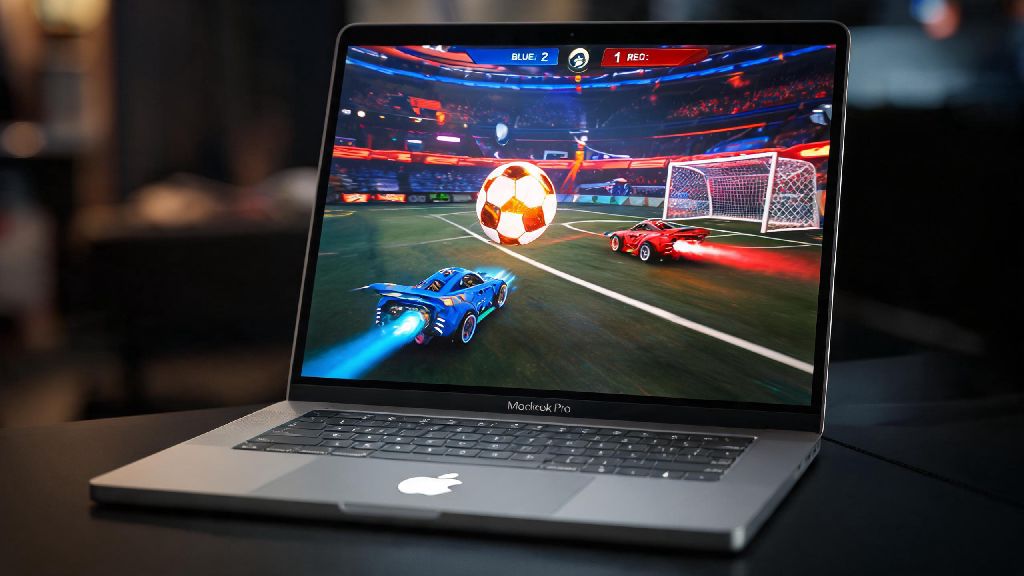
If you’ve ever logged into Rocket League right as a season ends, only to realize you missed out on that limited-edition decal you’d been grinding for for weeks, you know how frustrating misjudging season timelines can be. We’ve all been there: you sit down to play a few ranked matches to push from Diamond 3 to Champion, only to get a pop-up announcing the season ends in 12 hours, no time left to hit your goal. Today we’re answering the most common question new and returning players ask: how long are Rocket League seasons, and what do you need to know to make the most of every cycle? We’ll break down standard lengths, schedule changes, reward structures, and pro tips to hit your goals before the reset hits.
How Long Are Rocket League Seasons on Average?
There’s no exact fixed length for every Rocket League season, but the current standard timeline has been consistent since the game went free-to-play in late 2020. Standard Rocket League seasons run between 85 and 100 days, or roughly 3 full calendar months. That gives players plenty of time to climb the ranked ladder, unlock all Rocket Pass tiers, and mess around with limited-time modes that drop throughout the cycle.
Seasons before the 2020 free-to-play update ran much shorter, usually only 60 to 70 days, so older guides may have outdated information on timeline length. Psyonix extended the standard season length after free-to-play launched to give casual players more time to earn premium rewards without having to play every single day. I’ve seen seasons run as short as 78 days back in 2021, and as long as 112 days when the SARPBC crossover dropped a couple years back. You never want to assume a season will hit exactly 90 days, so it’s always smart to check the in-game countdown 2 weeks before your estimated end date.
What Factors Can Change a Rocket League Season’s Length?
Psyonix rarely sticks exactly to the 90-day timeline, and there are a handful of common reasons they’ll adjust a season’s start or end date. Most changes are announced in official blog posts or in-game notifications a couple weeks in advance, but it’s good to know what to look out for so you don’t get caught off guard. The most common reasons for schedule shifts include:
- Major crossover or promotional events: Psyonix often aligns season launches with partnerships with movies, sports leagues, or other games to maximize hype, so they may shorten or extend a prior season to hit that launch date.
- Big gameplay updates: If a new mechanic, map, or ranked rule change is coming, the team may extend a season by a week or two to make sure the update is fully tested and bug-free before the reset.
- Holiday scheduling: Seasons that fall over the end of year holiday period are often extended slightly so the development team can take time off without rushing a broken update live.
None of these changes are usually announced more than 2 weeks before the adjusted end date, so don’t rely on fan-made countdowns that don’t pull data from Psyonix directly. The only reliable countdown for a season’s end date is the one posted in the Rocket League main menu, which goes live roughly 2 weeks before the season wraps up. I’ve made the mistake of trusting a random fan site countdown once, and ended up 3 wins short of my Grand Champion reward because the season ended 3 days earlier than the site predicted. Don’t make that same mistake.
How to Plan Your Grind Based on Season Length
Knowing how long are Rocket League seasons makes it way easier to plan your play time so you hit whatever goals you set for the cycle. First, figure out what matters most to you that season: are you gunning for a higher rank, trying to unlock the full premium Rocket Pass, or just collecting limited-time event cosmetics? That will shape how much you need to play, and when you need to ramp up your grind.
We recommend wrapping up all your ranked grind goals at least 3 days before the official season end date to account for unexpected server issues, losing streaks, or last-minute schedule changes. For example, if you need 12 wins to hit Champion, and you only play 3 matches a day, you can hit that in a week, but if you need 50 wins, you need to start at least 4 weeks before the season ends. If you’re going for the full premium Rocket Pass, you need to earn 100 tiers to get all rewards, which works out to roughly 3-4 tiers a week for a standard 3 month season. Weekly challenges give you 3-5 tiers each, so even casual players who only play a couple hours a week can hit tier 100 without paying for extra skips if they stay on top of challenges.
If you notice you’re only on tier 40 halfway through the season, you don’t have to panic. Just focus on knocking out weekly and seasonal challenges first, which give you far more XP than random casual matches. You can also team up with friends for XP boosts, which stack up to 50% if you’re playing with a full squad of 3. When you’re mapping out your play schedule, always use the official timeline for how long are Rocket League seasons instead of fan estimates, to avoid miscalculating how much time you have left.
What Happens When a Rocket League Season Ends?
When the official countdown hits zero, Rocket League will go into a short period of downtime, usually between 2 and 4 hours, while the team rolls out the new season update. You won’t be able to play online matches during this time, so don’t wait until the final hour to get in your last ranked games, because servers might go down early. Once downtime ends, the new season will go live immediately, with a new Rocket Pass, new cosmetic rewards, and often a new limited time mode or map to explore.
All unclaimed season rewards, including Rocket Pass tiers and rank rewards, are automatically added to your inventory within 24 hours of the season ending, so you don’t have to do anything special to claim them. Your rank will also go through a soft MMR reset, so you’ll have to play 10 placement matches to get your starting rank for the new season. I always take the first 2 days of a new season to play casual matches first, because the ranked lobbies are full of sweats trying to hit the highest rank as fast as possible, and it’s easy to get stuck in a losing streak if you jump into ranked right away. If you’re a more casual player, you can wait a week or two for the lobbies to settle down before you start grinding ranked again.
At the end of the day, knowing how long are Rocket League seasons takes a lot of the stress out of planning your play time, whether you’re a casual player who just wants cool cosmetics or a competitive player gunning for a top rank. You don’t have to track every single day of the season, but checking the in-game countdown every few weeks, and wrapping up your goals a few days early, will make sure you never miss out on the rewards you want. Next time you log in, take a quick look at the season progress bar, and adjust your play schedule to hit whatever goals matter most to you this cycle.